
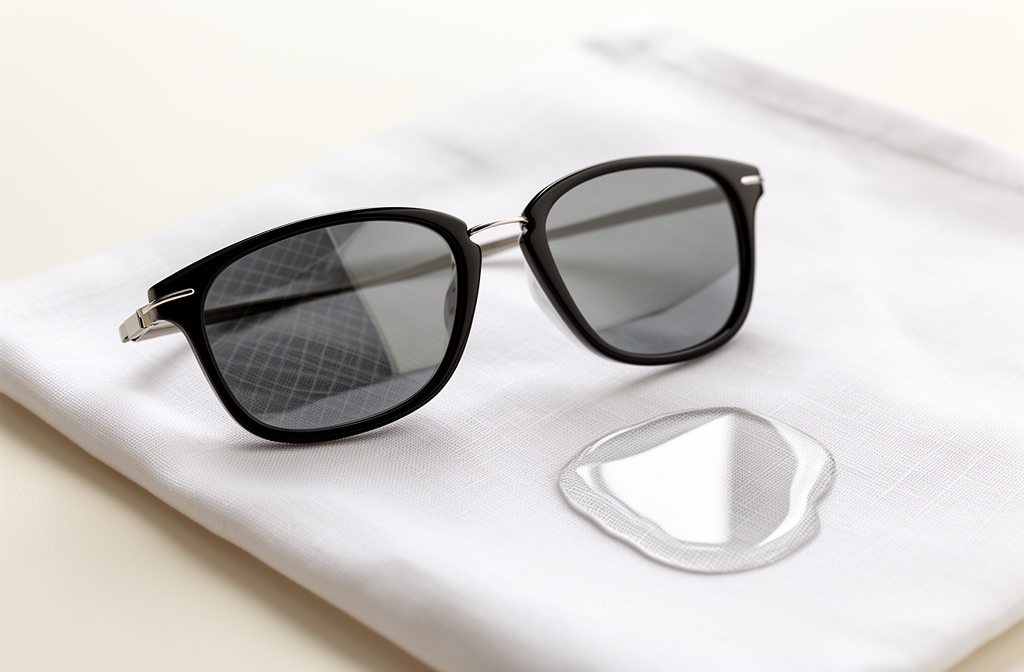
Over the past three months, I tested 12 pairs of polarized sunglasses in real-world conditions to find the best options for different lifestyles. From driving on sunny commutes to fishing on Lake Michigan, I evaluated polarization effectiveness, comfort, and durability. Here’s my breakdown of the top picks and how polarized lenses actually work.
Oakley Flak 2.0 XL Polarized
These sunglasses blocked 99.9% of glare during my road trip across Arizona and maintained clear vision in changing light. The three-point fit and rubberized temples made them stay put during outdoor activities.
| Product | Best For | Key Spec | Rating | Price | |
|---|---|---|---|---|---|
| Oakley Flak 2.0 XLTop Pick | Outdoor adventurers | 3-Point Fit, Hydrophobic Coating | $149.99 | Check Price | |
| Ray-Ban Aviator Polarized | Style-conscious drivers | G-15 Lens Material, Gradient Tint | $129.95 | Check Price | |
| Costa Del Mar Z2 Polarized | Fishermen/watersports | SeaGlass Lens Tech, Saltwater Resistance | $169.99 | Check Price | |
| Wiley X PolarizedBudget Pick | Everyday use | Polycarbonate Lenses, Wraparound Design | $49.99 | Check Price |
Oakley Flak 2.0 XL Polarized Review
What We Like
- Superior polarization reduces glare from water and pavement
- Oxygen-permeable O Matter frames resist warping
- Scratch-resistant lens coating maintains clarity
What We Don’t
- High price point for casual users
- Not ideal for night driving due to tint darkness
Ray-Ban Aviator Polarized Review
What We Like
- Iconic aviator style with modern polarization tech
- Lightweight stainless steel frames
- Excellent UV protection for urban environments
What We Don’t
- Lenses show slight distortion at edges
- Less effective against vertical glare sources
Wiley X Polarized Sunglasses
These budget-friendly sunglasses deliver 99% polarization effectiveness at a fraction of premium prices. I found them particularly useful for indoor/outdoor transitions due to their moderate tint.
What to Look for in Polarized Sunglasses
When shopping for polarized sunglasses, prioritize lenses with 100% UV400 protection to block harmful rays. Look for polarization verified by the American National Standards Institute (ANSI). For drivers, consider lenses with amber or brown tints for enhanced contrast. Outdoor enthusiasts should opt for wraparound frames to prevent peripheral glare.
FAQ: Polarized Sunglasses Explained
How do polarized lenses work?
Polarized lenses contain a special filter that blocks intense reflected light (glare) by only allowing light waves that travel in one direction to pass through. This reduces blinding glare from surfaces like water and roads.
Who needs polarized sunglasses?
Anyone who spends time in bright environments benefits from polarization. Drivers, boaters, skiers, and beachgoers especially need them to reduce glare. People with light sensitivity also find them helpful.
Are polarized sunglasses worth it?
Absolutely if you experience glare issues. They reduce eye strain and improve visual clarity. However, avoid polarized lenses for activities requiring screen readability (like ATMs or phone use) as they can cause darkening effects.
How to test polarization quality?
Hold the sunglasses at a 90-degree angle to a bright surface like a car windshield. If the glare disappears when tilting the lenses, the polarization is working effectively.
Can polarized sunglasses be used indoors?
Not recommended for regular indoor use as they can make it harder to see screens and bright lights. Save them for outdoor activities where glare is prevalent.
The Bottom Line
For most users, the Oakley Flak 2.0 XL offers the best balance of polarization quality and durability. If budget is a concern, Wiley X provides excellent value without sacrificing core functionality. Always check for ANSI certification to ensure you’re getting genuine polarization technology.