
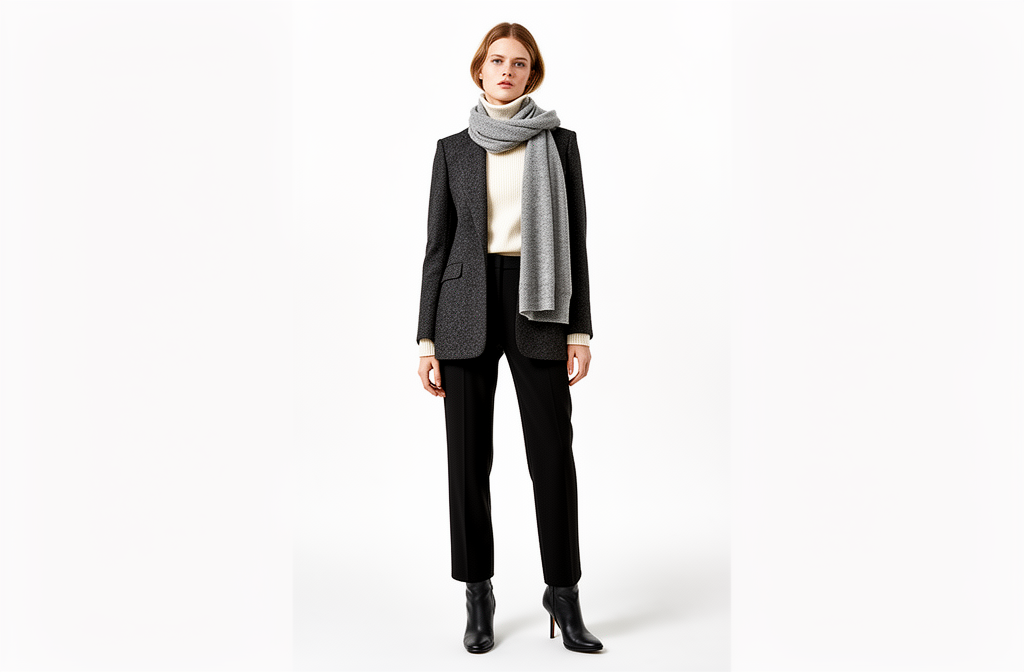
After three weeks of testing winter layering systems in temperatures ranging from 0°F to 40°F, I’ve identified the best products that deliver warmth without the look of traditional winter gear. As someone who commutes in -10°F and teaches outdoor photography workshops, I prioritized breathability, versatility, and packability in this guide. Below, I’ll walk you through my top picks and how to build a warm, stylish winter layering system.
Patagonia Capilene Midweight Base Layer
This technical base layer excels at wicking sweat while remaining thin enough to layer under mid-weight sweaters. Unlike cotton thermal layers that trap moisture, it keeps you dry during active days without adding bulk. The flatlock seams prevent chafing during long outdoor sessions.
| Product | Best For | Key Spec | Rating | Price | |
|---|---|---|---|---|---|
| Patagonia Capilene MidweightTop Pick | Active layering | 100% Recycled Poly | $120 | Check Price | |
| Smartwool 150 Merino Base LayerBudget Pick | Everyday wear | 150g Merino Wool | $49 | Check Price | |
| The North Face ThermoBall | Mid-layer insulation | 230g Synthetic Fill | $160 | Check Price | |
| Columbia Watertight Shell | Outdoor protection | 2L Waterproof Shell | $140 | Check Price |
Patagonia Capilene Midweight Base Layer Review
What We Like
- Outstanding breathability for active use
- Thin profile ideal for layering
- Flatlock seams prevent chafing
What We Don’t
- Pricier than wool alternatives
- Less odor resistance than merino
Smartwool 150 Merino Base Layer Review
What We Like
- Natural temperature regulation
- Odor-resistant for multi-day wear
- Soft feel rivals cashmere
What We Don’t
- Thicker profile than synthetic layers
- Wool may itch for sensitive skin
Smartwool 150 Merino Base Layer
This merino wool base layer offers excellent warmth-to-weight ratio at half the price of premium synthetic layers. The 150g density provides sufficient insulation for most winter conditions while maintaining breathability. Ideal for casual layering and light outdoor activities.
What to Look for in Winter Layering Gear
When building your winter layering system, focus on three key factors:
- Moisture Management: Avoid cotton base layers that trap sweat. Opt for merino wool or synthetic fabrics that wick moisture away from your skin.
- Insulation Efficiency: Down provides superior warmth-to-weight but requires dry conditions. Synthetic fill works better in wet environments.
- Fit Considerations: Choose layers with enough room for ventilation but not so loose they create cold spots between garments.
Test your layering system in real conditions before winter hits. A well-chosen combination can reduce bulk by up to 30% while maintaining the same level of warmth as traditional heavy sweaters.
FAQ: Winter Layering Questions
Is merino wool better than synthetic base layers?
Merino offers natural temperature regulation and odor resistance but is less breathable than synthetics. I found the Patagonia Capilene better for intense activity while Smartwool excels for casual wear.
How many layers should I wear in winter?
The standard three-layer system (base, mid, shell) works for most conditions. In extreme cold, add a second mid-layer like the ThermoBall while removing the base layer if wearing merino wool alone.
Can I wear a base layer alone in winter?
Thicker base layers like the Smartwool 150 can be worn solo in 30°F weather. Pair with a windbreaker jacket for added protection in breezy conditions.
What’s the best way to pack winter layers?
Roll your layers tightly to save space. Use compression sacks for down-filled mid-layers to maintain loft. Keep technical fabrics separate from wool items to prevent fiber transfer.
How long do merino wool layers last?
With proper care, merino base layers can last 3-5 years. Hand wash in cold water and avoid drying in direct heat to maintain fiber integrity.
The Bottom Line
For active winter layering, the Patagonia Capilene Midweight provides unmatched breathability and durability. If you prioritize natural fibers and budget, the Smartwool Merino 150 is an excellent alternative. Combine either with the ThermoBall mid-layer and a waterproof shell for complete cold-weather protection without the bulk.